A graphic showing 20 Power Builders arranged in a collage with the words, “Thank you, Power Builders” in the center.
Building power for the Pacific Islander LGBTQIA+ community is serious work. But to Taffy Maene-Johnson, Executive Director of UTOPIA Washington, it is also deeply joyful.
“Dreaming and play are survival tools,” Taffy says. “Joy is not a luxury. It’s part of our resistance.”
Leaders like Taffy are at the heart of Power Builders, a video series we launched last year to pass the mic to Washington leaders building statewide community power for racial justice and equity.
Individually, each story paints a picture of what power building looks like in different corners of our state. Together, they create a mosaic of a shared vision for the future —one where communities have the power and freedom to shape how our state works.
Representing 20 organizations working at the community, regional, statewide, and national levels, the Power Builders affirm that, wherever you look in Washington, leaders of color are planting the seeds for long-term, transformative change.
Inatai Foundation is incredibly grateful to everyone who shared their time, insight, and stories with us, particularly because of the moment in which this series launched. It premiered in January 2025, just as communities were preparing to face a new, hostile federal administration.
In the year since, all of us have witnessed the consequences of policies and rhetoric that erase and undermine the power of communities of color. Against that backdrop, the Power Builders’ stories offer something different: truthful narratives of communities across Washington that showcase their strength, bravery, and irrepressible joy.
“Storytelling is such an essential tool for reaching a broader audience, demonstrating impact, and inviting people into the work,” said Ginger Ewing, Executive Director and Co-Founder of Terrain. “But storytelling is often something we don’t have the time for, or resources to prioritize, so it was meaningful to have been gifted such a beautiful piece.”
For many of the leaders featured, the series created an opportunity to share stories that are too often overlooked.
“Without our voices present, misunderstandings grow, resources miss the mark, and the unique strengths of our culture are left out of the narrative,” said Patrick Woo-Ching, Executive Director and Co-Founder of Voices of Pacific Island Nations. “Our community deserves to be seen, heard, and valued.”
What It Means to be a Power Builder
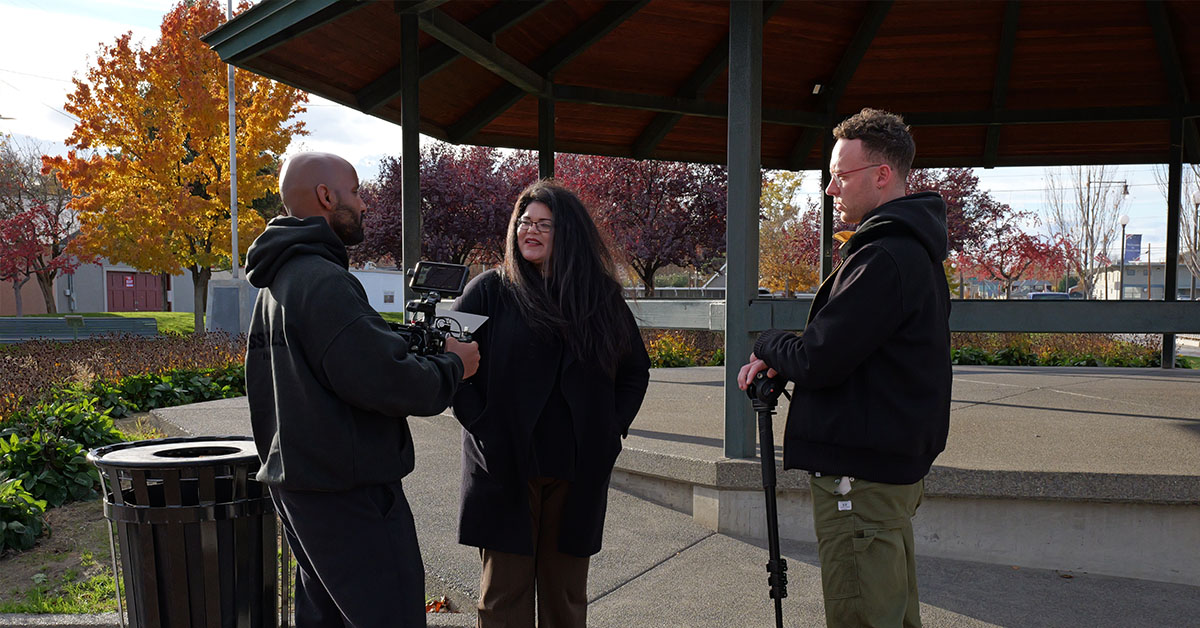
Maria Fernandez (center), Executive Director and Founder of ELLA Adelante, chats with Jama Abdirahman (left) and Jordan Iverson (right) of Humxn Media video production. Photo: Alyssa Codamon
“Power isn’t built by playing it safe or standing alone,” said ELLA Adelante Executive Director and Founder Maria Fernandez. “It’s built when leaders are bold enough to take risks and organize together as part of something bigger than themselves.”
Power building is not abstract—it is the daily work of organizing, leading, and caring for the community in the face of immense difficulty. By taking on those challenges, leaders can build something incredible.
“Being a Power Builder means choosing discipline over comfort, and building the capacity for communities to decide, act, and lead for themselves,” Maria said.
But that work often requires leaders to dig deep.
“Only Power Builders know the weight we carry—the quiet decisions no one else witnesses, the courage it takes to show up when the path is unclear, and the tenderness required to hold a community together through fear, loss, joy, and transformation,” said Diana Avalos Leos, Executive Director of Latino Leadership Northwest. “Leading in these times is not simple work—it is soul work.”
The series also highlights how identity, culture, and lived experience shape the ways leaders build power in their communities.
Lavender Rights Project Executive Director Jaelynn Scott and former Policy Director Bryanna A. Jenkins spoke about joy as an act of resistance and how Black, trans, and queer identities inform their work to reclaim Seattle’s Capitol Hill for Black trans and queer women.
“Intersectionality is not a synonym for diversity. It’s about Black women and Black trans women and centering them as praxis—and looking at all of the intersectional strings that tie our oppression and glory together,” Jaelynn said.
The Impact of Sharing These Stories
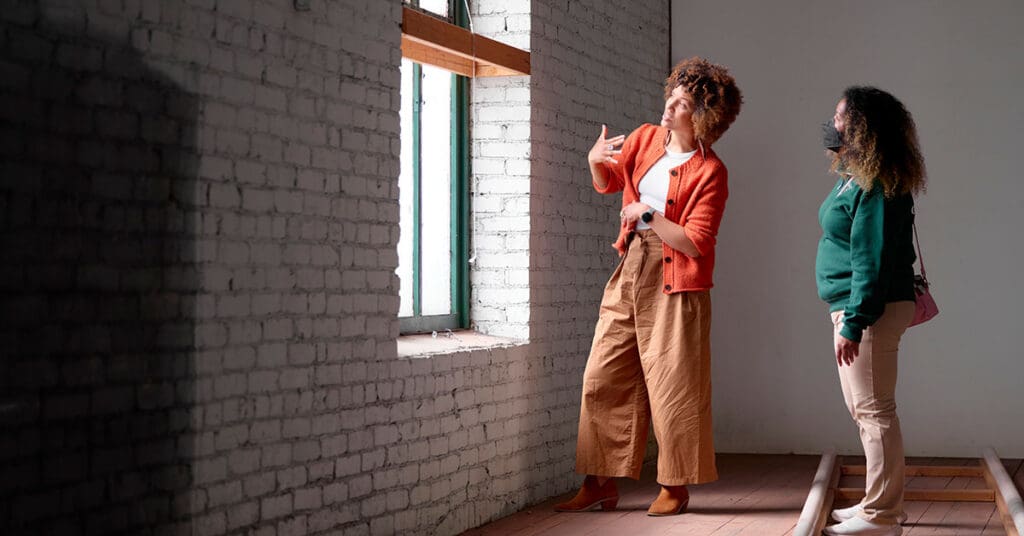
Ginger Ewing, Executive Director and Co-Founder of Terrain, admires the Spokane city view with Inatai Foundation Communications Associate Lilian Ongelungel. Photo: Uly Curry
For many of the Power Builders’ organizations, the videos became more than a storytelling project—they became tools for connection, education, and visibility.
“For The Health Center, the video became a powerful way to amplify our values, increase visibility, and engage both internal and external audiences,” said Norma Hernandez, Executive Director of The Health Center. “It has helped spark conversations, build understanding, and strengthen trust, ultimately supporting our efforts to promote equity, access, and community well-being.”
Being featured also helped expand awareness of the work happening in communities across the state.
“When an organization like Inatai—one that holds an incredible amount of power and respect—chooses to showcase your work, it brings an added layer of visibility that no doubt also has a big impact,” said Ginger Ewing.
Looking Ahead
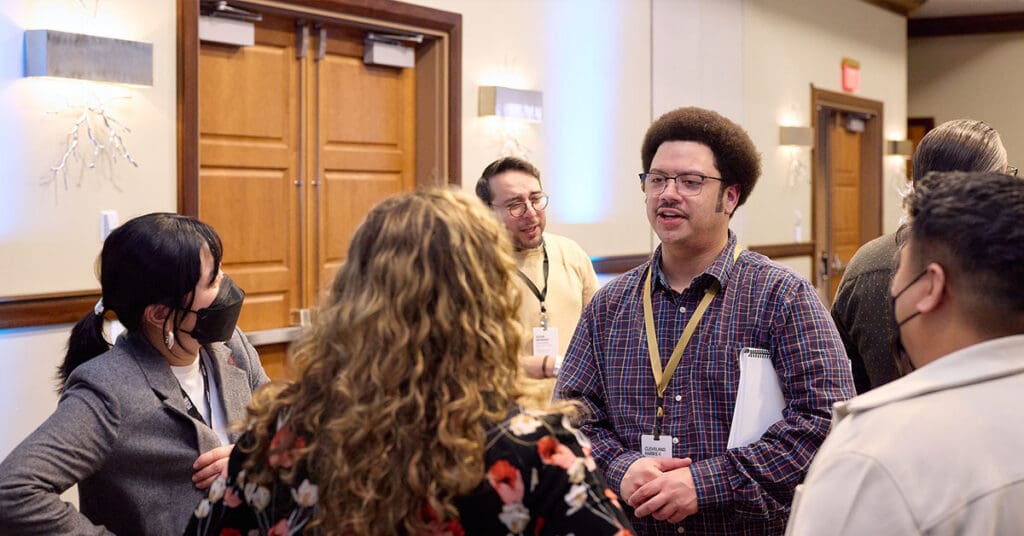
Cleveland Harris II (center), Organizer with Community First Whatcom and Power Builder, shares updates with Inatai Foundation team at the Shaping the Future gathering in Ferndale, WA. Photo: Uly Curry
In the year since we launched the Power Builders series, the challenges presented by the attacks on our communities feel like they have widened.
“Our work will continue because the story of race in America is unfinished,” said Darryl Riley, CEO and Co-Founder of Up From Slavery. “The systemic inequities that people of color have endured—disenfranchisement, unhealthy food systems, economic exclusion, and criminalization—are still present today, and still disproportionately harming communities of color.”
Yet this moment can also offer tremendous opportunity for communities to step forward and claim their power.
“We’ve been in the shadows for a long time, said Van Dinh-Kuno, Executive Director of Refugee & Immigrant Services Northwest. “Now we’re standing up and ready to show our power.”
To every Power Builder who participated in this series: thank you. Thank you for trusting us with your stories. Thank you for illuminating what it truly means to build power. And most of all. Thank you for the work you do every day to strengthen communities across Washington.